The IMPath BioBank stands as a remarkable repository of research specimens, each representing a unique facet of human biology and pathology. Its comprehensive collection encompasses a wide array of specimen types and tumor classifications. In this article, we explore the richness and significance of the various specimen types and tumor categories stored at the IMPath BioBank, shedding light on the pivotal role they play in advancing biomedical research.
Specimen Types:
1. Tissue Samples:
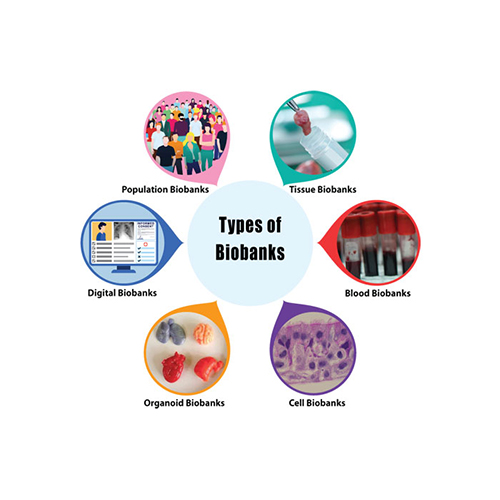
Tissue specimens form the core of the IMPath BioBank's repository.
These include surgical resections, biopsies, and autopsies, providing insights into various diseases and conditions.
2. Blood and Serum:
Blood samples are a valuable resource for studying systemic diseases and monitoring treatment responses.
Serum, isolated from blood, contains proteins, antibodies, and biomarkers crucial for diagnostics and research.
3. Cell Lines:
Cell lines are cultured cells derived from various tissues, offering a renewable resource for in vitro experiments.
They are instrumental in drug testing, disease modeling, and understanding cellular functions.
4. Biofluids:
Biofluids such as urine, cerebrospinal fluid, and synovial fluid are invaluable for diagnosing metabolic disorders, neurological diseases, and joint-related conditions.
They are a non-invasive means of obtaining diagnostic information.
5. DNA and RNA Samples:
Genetic material, including DNA and RNA, provides insights into hereditary diseases, gene expression, and genetic variations.
These samples are essential for genomics and molecular research.
Tumor Types:
1. Carcinomas:
Carcinomas originate in epithelial tissues and encompass various cancers, including breast, lung, colon, and prostate.
They are the most common type of cancer and are extensively studied at IMPath BioBank.
2. Sarcomas:
Sarcomas arise in connective tissues, such as bone, muscle, or cartilage.
Understanding sarcomas aids in the development of targeted therapies and treatment strategies.
3. Leukemias and Lymphomas:
These hematologic malignancies affect blood and lymphatic tissues.
The BioBank's collection includes specimens from patients with diverse subtypes of leukemia and lymphoma.
4. Central Nervous System (CNS) Tumors:
CNS tumors, including gliomas and medulloblastomas, are studied to unravel the complexities of brain and spinal cord cancers.
5. Melanomas:
- Melanomas, originating in melanocytes, are critical for skin cancer research.
- Understanding their genetic and molecular characteristics is essential for targeted therapies.
Conclusion:
The IMPath BioBank's diverse collection of specimen types and tumor categories underscores its significance in advancing biomedical research. These samples represent the heterogeneity of human diseases and provide invaluable insights into their biology, progression, and potential treatments. Researchers worldwide benefit from this extensive repository, using it as a springboard for discoveries that enhance our understanding of health and disease. The IMPath BioBank continues to be a cornerstone of progress in medicine and scientific inquiry, offering hope for improved diagnostics, treatments, and ultimately, patient outcomes.


 September 16, 2023 - BY Admin