Biomedical research heavily relies on the availability and quality of research specimens. These specimens, often collected from human subjects or other biological sources, form the foundation of scientific investigation across various disciplines. The management and storage of these samples are critical aspects of research, ensuring their integrity, accessibility, and long-term preservation. In this article, we explore the significance of research specimen storage, particularly in the context of the IMPath BioBank, and delve into the importance of understanding sample origin for meaningful scientific discoveries.
The Significance of Research Specimen Storage (IMPath BioBank):
1. Resource for Cutting-Edge Research:
- Research specimen banks like IMPath BioBank serve as invaluable resources for scientific research.
- They house a diverse range of samples, including tissues, cells, and biofluids, collected from a variety of sources and conditions.
2. Accelerating Medical Advances:
- These biobanks facilitate the development of new diagnostics, treatments, and therapies.
- Researchers can access well-preserved specimens to study disease mechanisms, biomarkers, and therapeutic targets.
3. Long-Term Preservation:
- Proper storage techniques, such as cryopreservation and -80°C freezers, ensure the stability and viability of samples over extended periods.
- This allows for longitudinal studies and reanalysis of samples when new research questions arise.
Understanding Sample Origin:
1. Ethical Considerations:
- Knowledge of sample origin is essential to ensure ethical research practices.
- Informed consent and adherence to ethical guidelines are crucial when obtaining samples from human subjects.
2. Sample Quality Control:
- Understanding the source and collection methods helps assess sample quality.
- Factors like storage conditions, handling, and transportation can impact sample integrity.
3. Data Interpretation:
Researchers must consider the source when interpreting results.
Sample origin, including patient demographics and disease stage, can influence research outcomes.
IMPath BioBank: A Case Study:
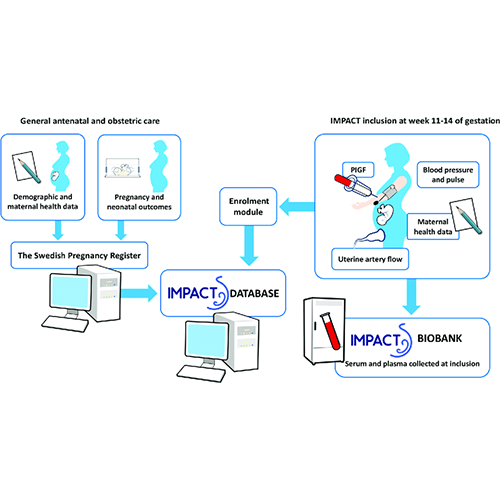
The IMPath BioBank, an exemplary research specimen repository, illustrates the principles discussed. It adheres to strict ethical standards in sample collection, ensuring informed consent and privacy protection. Samples are meticulously documented, with detailed information about patient demographics, clinical history, and collection protocols.
Furthermore, the IMPath BioBank employs state-of-the-art storage and tracking systems to guarantee sample quality and accessibility for researchers. It plays a pivotal role in advancing medical knowledge, fostering interdisciplinary collaborations, and contributing to the development of innovative diagnostics and therapies.
Conclusion:
Research specimen storage, exemplified by institutions like the IMPath BioBank, is an indispensable component of biomedical research. These biobanks provide the foundation upon which scientific discoveries and medical advancements are built. It is equally crucial to understand the origin of research samples, as this knowledge ensures ethical research conduct, sample quality control, and meaningful data interpretation. As the field of research specimen management continues to evolve, it promises to be a cornerstone of progress in medicine and scientific inquiry. With responsible stewardship and meticulous documentation, research specimen storage will continue to drive innovation and improve healthcare outcomes worldwide.


 September 16, 2023 - BY Admin