A well-organized hospital not only ensures optimal patient care but also enhances staff productivity and overall efficiency. Join me as we explore the key elements of a well-structured hospital.
Administrative Structure:
At the core of a well-organized hospital is an efficient administrative structure. This includes a dedicated management team responsible for overseeing day-to-day operations, strategic planning, and resource allocation. Clear communication channels and streamlined decision-making processes are essential for effective coordination among various departments.
Departments and Specialties:
Hospitals are typically divided into different departments and specialties to cater to a wide range of medical needs. Common departments include emergency care, inpatient and outpatient services, surgical units, diagnostic imaging, laboratory, pharmacy, and administrative support. Each department functions collaboratively, with well-defined roles and responsibilities, to provide comprehensive and specialized care to patients.
Medical Staffing and Skill Development:
A successful hospital relies on a highly skilled and competent medical staff. This includes doctors, nurses, technicians, and support staff. Recruitment of qualified professionals and continuous skill development through training and workshops are vital for maintaining a high standard of patient care. Additionally, proper shift scheduling and workload management ensure a balanced and well-rested medical team.
Patient Care Coordination:
Efficient patient care coordination is crucial in a hospital setting. This involves effective triage and registration processes, streamlined scheduling of appointments and procedures, and smooth patient flow within the hospital. Clear communication between departments and the promotion of multidisciplinary teamwork ensure that patients receive timely and coordinated care.
Information Technology and Electronic Medical Records (EMR):
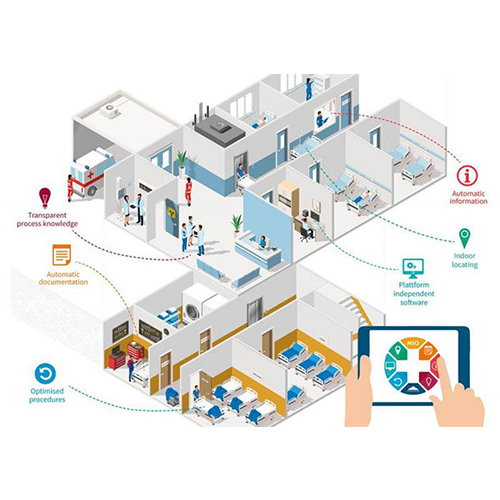
In the digital age, hospitals rely on modern technologies to enhance patient care and streamline operations. Implementation of Electronic Medical Records (EMR) systems enables secure and real-time access to patient information, minimizing paperwork and reducing errors. Additionally, advanced diagnostic equipment, telemedicine services, and automation of administrative tasks contribute to overall efficiency.
Quality Assurance and Accreditation:
To ensure the highest standard of care, hospitals strive for quality assurance and accreditation. This involves establishing protocols and guidelines, conducting regular audits and evaluations, and adhering to national and international healthcare standards. Achieving accreditation from recognized organizations demonstrates a hospital's commitment to maintaining excellence in healthcare delivery.
Conclusion:
A well-organized hospital is the backbone of a successful healthcare institution. From a robust administrative structure and specialized departments to skilled medical staff and advanced technology, every aspect plays a pivotal role in delivering efficient and quality patient care. By prioritizing organization and continuous improvement, hospitals can offer an optimal healthcare experience for patients and foster a positive and productive work environment for their staff.


 September 15, 2023 - BY Admin