Introduction:
Molecular and immunoassay testing represents a dynamic and ever-evolving field of medical diagnostics that has brought about a paradigm shift in healthcare. These advanced techniques, rooted in the principles of molecular biology and immunology, have significantly enhanced our ability to detect and understand diseases at the molecular level. This article explores the profound impact of molecular and immunoassay testing on modern healthcare, delves into their fundamental principles, and showcases their pivotal role in the diagnosis and management of various medical conditions.
The Significance of Molecular and Immunoassay Testing:
Molecular and immunoassay testing have revolutionized healthcare in several crucial ways:
1. Early Disease Detection:
- These assays enable the early detection of diseases, including infectious diseases, genetic disorders, autoimmune conditions, and cancer.
- By identifying specific molecular markers or antibodies, clinicians can initiate treatment at the earliest stages, often before clinical symptoms manifest.
2. Personalized Medicine:
- Molecular testing allows for tailored treatment plans based on an individual's genetic makeup and disease characteristics.
- Immunoassays help in assessing a patient's immune response, aiding in personalized therapies.
3. Monitoring Disease Progression:
- These tests provide valuable information for monitoring the progression of diseases and the effectiveness of treatment.
- They play a pivotal role in cancer therapy by tracking the response to targeted therapies and immunotherapies.
4. Infectious Disease Control:
Molecular assays are instrumental in identifying pathogens, such as viruses and bacteria, and tracking the spread of infectious diseases.
Rapid and accurate diagnosis is essential for disease containment.
Fundamental Principles of Molecular and Immunoassay Testing:
Both molecular and immunoassay testing rely on specific principles:
1. Molecular Assays:
- Molecular tests analyze genetic material (DNA or RNA) to detect specific sequences or mutations associated with diseases.
-Polymerase chain reaction (PCR), nucleic acid hybridization, and next-generation sequencing (NGS) are common techniques used in molecular testing.
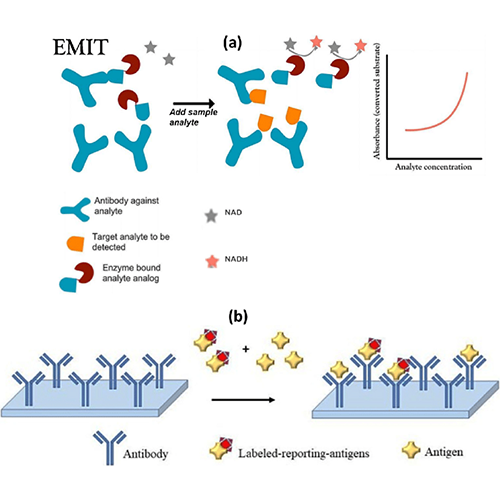
2. Immunoassays:
Immunoassays measure the concentration of specific proteins (antigens) or antibodies in biological samples.
Enzyme-linked immunosorbent assay (ELISA), radioimmunoassay (RIA), and chemiluminescent immunoassays are popular immunoassay methods.
Conclusion:
Molecular and immunoassay testing represent a cornerstone of modern healthcare, offering unprecedented precision and depth in disease diagnosis and management. These tests have ushered in the era of personalized medicine, allowing for tailored therapies and improved patient outcomes. As technology continues to advance and our understanding of molecular and immunological processes deepens, the potential applications of these assays in healthcare are boundless. The collaboration between laboratory professionals, clinicians, and researchers remains pivotal in harnessing the full potential of molecular and immunoassay testing for the benefit of patients worldwide. In the pursuit of more accurate diagnostics and effective treatments, these testing methods stand as beacons of hope in the realm of healthcare.


 September 16, 2023 - BY Admin