- Detailed examination of tissue specimens allows pathologists to differentiate between benign and malignant conditions.
2. Treatment Guidance: - Physicians use histopathological reports to plan appropriate treatment strategies for patients. - It aids in determining the stage and extent of diseases, which influences treatment choices.
3. Research and Discovery: - Histopathology is pivotal in medical research, facilitating the study of disease mechanisms and the development of new therapies.
- Researchers use tissue samples to explore the molecular and cellular basis of diseases.
Components of Histopathological Examination: The process of histopathological examination involves several key components: 1. Tissue Sample Collection: - A tissue biopsy is typically collected from the affected area of a patient's body, often through minimally invasive procedures. - The tissue is preserved, processed, and embedded in paraffin wax to create thin sections for microscopic examination.
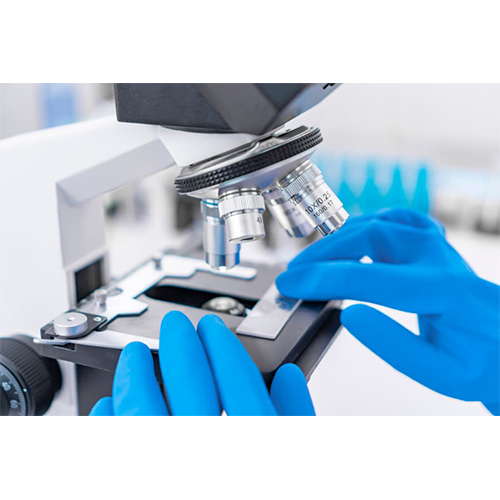
2. Microscopic Analysis: - A trained pathologist examines the tissue sections under a microscope. - They assess cellular morphology, architecture, and any abnormalities or irregularities.
3. Staining: - Special stains are used to highlight specific cellular structures or substances, aiding in the diagnosis. - Hematoxylin and eosin (H&E) staining is the most common technique, providing contrast for tissue examination.
4. Reporting: The pathologist compiles findings into a comprehensive report, including a diagnosis, assessment of disease severity, and recommendations.
Conclusion:


 September 16, 2023 - BY Admin